



Le rôle de la surconsommation de l’eau dans le chaos climatique
[Maude Barlow] Une composante cruciale manque à la fois dans l’analyse actuelle du chaos climatique et dans les solutions qui sont proposées pour y répondre. La plupart des universitaires spécialisés sur le climat et des activistes voient le chaos climatique comme résultant presque uniquement des émissions de gaz à effet de serre issus de la combustion des carburants fossiles ainsi que de la pollution par le … Continue reading Le rôle de la surconsommation de l’eau dans le chaos climatique

Plaidoyer pour la complexité
Entretien avec Elinor Ostrom, professeure de science politique à l’Université d’Indiana, “prix Nobel” d’économie 2009* par Alice Le Roy, 14 June, 2010 Elinor Ostrom est peu connue dans le monde francophone. L’attribution en octobre 2009, avec l’économiste Oliver Williamson, du prix de la banque de Suède en sciences économiques en mémoire d’Alfred Nobel (le « prix Nobel » d’économie), pour la première fois à une … Continue reading Plaidoyer pour la complexité

What Is to Be Done? The Six Pillars of Deglobalization
[Walden Bello, lecture, 30 April 2014] Let me place my coming remarks in context, and the global context has among its key features the following: Long-term stagnation in the United States. Depression in Europe. Increasing gap in wealth in nearly all countries and globally: the richest 1% of the global population owns 40% of total assets, and the richest 10% accounts for 85%. Financialization has … Continue reading What Is to Be Done? The Six Pillars of Deglobalization


Climate change: a challenge that goes beyond politics
[Elizabeth Peredo Beltrán, marzo de 2014] It has rained incessantly in the Bolivian Amazon and in the Valleys. The waters that have flooded our territory since January, are thought to be the result of the worst rains in 40 years. More than 60,000 families have been affected – meaning that at least 350,000 people have had to leave their homes. They have lost almost everything … Continue reading Climate change: a challenge that goes beyond politics

Bolivia y el cambio climático: un desafío más allá de la política
[Elizabeth Peredo Beltrán, marzo de 2014] Ha llovido sin cesar en la Amazonía y los Valles bolivianos. Las aguas anegaron nuestro territorio desde enero, lluvias consideradas las peores en 40 años. Más de 60.000 familias, es decir, al menos 350.000 personas han tenido que dejar sus casas y lo han perdido casi todo: sus pertenencias, sus animales, sus cultivos, la cotidianidad de sus vidas. UNICEF … Continue reading Bolivia y el cambio climático: un desafío más allá de la política

El comercio de los servicios ecosistémicos
Cuando el pago por servicios ambientales se convierte en un permiso para destruir. [Jutta Kill, World Rainforest Movement] Introducción. “Hay que poner fin a la invisibilidad económica de la naturaleza”(3), escribe en su blog Pavan Sukhdev, autor del estudio TEEB. Varios economistas, corporaciones y ONG conservacionistas se hacen eco de esa declaración. Afirman que el valor de la naturaleza no es visible y que, por … Continue reading El comercio de los servicios ecosistémicos

Buen Vivir: Today’s tomorrow
[Eduardo Gudynas] Buen Vivir or Vivir Bien, are the Spanish words used in Latin America to describe alternatives to development focused on the good life in a broad sense. The term is actively used by social movements, and it has become a popular term in some government programs and has even reached its way into two new Constitutions in Ecuador and Bolivia. It is a plural concept … Continue reading Buen Vivir: Today’s tomorrow


Cómo construir un nuevo modelo de desarrollo para la cooperación sur-sur
[Francois Houtart] Con el desarrollo de los BRICS, las relaciones Sur-Sur ayudan a crear un mundo multipolar, pero no cambian el modelo de desarrollo colectivo. De hecho este grupo de países se desarrollan al interior según el esquema capitalista y establecen con sus periferias, relaciones similares a los vínculos Norte- Sur existentes. El Ecuador, uno de los pocos países del Sur que adopto medidas pos-neo-liberales, no … Continue reading Cómo construir un nuevo modelo de desarrollo para la cooperación sur-sur

The planet – and we – are in peril
[Aseem Shrivastava] In his victory speech President Obama spoke of a planet in peril. In doing so he fell prey to the cognitive lapse that pits us against the environment, rather than part of it, and miscommunicates the nature of the ecological threat as just another problem to be fixed with more technology. “We should fear the consequences of changing the composition of the atmosphere.” James … Continue reading The planet – and we – are in peril
Economy for Life in our Earth community
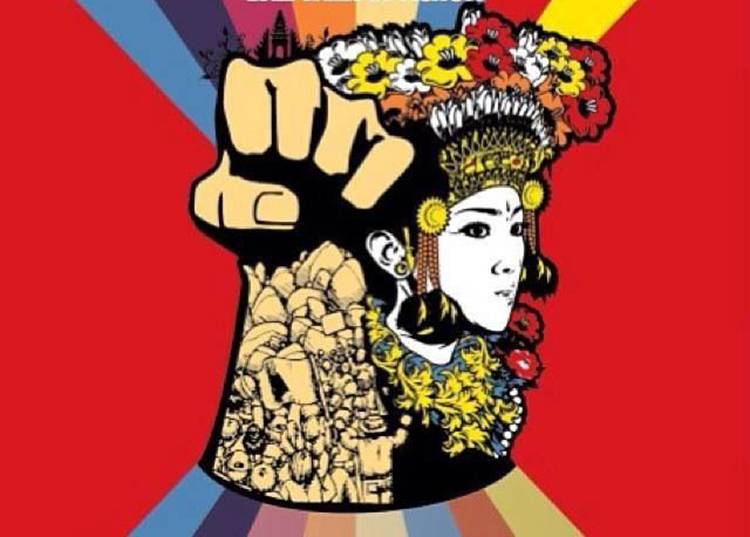
[Versión en español] Brief Background: This living document is a result of an extensive process led by the Social Movements for an Alternative Asia (SMAA), Gerak Lawan, La Via Campesina and the supporters of the #EndWTO Campaign. A draft document was written and circulated online before the #EndWTO Week of Action parallel to the 9th Ministerial of the World Trade Organization in Bali, Indonesia last … Continue reading Economy for Life in our Earth community

Prosperity without growth?
[Tim Jackson] Economic growth is supposed to deliver prosperity. Higher incomes should mean better choices, richer lives, an improved quality of life for us all. That at least is the conventional wisdom. But things haven’t always turned out that way. Summary Economic growth is supposed to deliver prosperity. Higher incomes should mean better choices, richer lives, an improved quality of life for us all. That … Continue reading Prosperity without growth?

Sharing the pie
[Aseem Shrivastava] Policymakers say that the size of the pie in developing countries has to be enlarged before it can be distributed more equitably. But the way a country’s economy grows will determine whether there is anything left to distribute at the end of the growth process. “No problem can be solved from the same level of consciousness that created it.” Albert Einstein Three closely related … Continue reading Sharing the pie

La paz perenne con la naturaleza y la Madre Tierra
[Leonardo Boff] Uno de los legados más fecundos de Francisco de Asís, actualizado por Francisco de Roma, es la oración por la paz, tan urgente en los días actuales. El primer saludo que San Francisco dirigía a los que encontraba era desearles “Paz y Bien” que corresponde al Shalom bíblico. La paz que ansiaba no se restringía a las relaciones interpersonales y sociales. Buscaba una … Continue reading La paz perenne con la naturaleza y la Madre Tierra
Everlasting peace with nature and with Mother Earth
[Leonardo Boff, 20 April 2014 ] One of the more fertile legacies of Francis of Assisi, actualized by Francis of Rome, is the Prayer for Peace, which is so urgent at the present. Saint Francis initially greeted those he saw by wishing them, “Peace and Good,” which corresponds to the Biblical Shalom. The peace he longed for was not limited to interpersonal and social relations. … Continue reading Everlasting peace with nature and with Mother Earth

The Only Viable Economy
[István Mészáros] 1. Once upon a time the capitalist mode of production represented a great advance over all of the preceding ones, however problematical and indeed destructive this historical advance in the end turned out—and had to turn out—to be. By breaking the long prevailing but constraining direct link between human use and production, and replacing it with the commodity relation, capital opened up the dynamically unfolding possibilities … Continue reading The Only Viable Economy
Post-crecimiento y buen vivir como alternativas para alcanzar sociedades equitativas y sustentables
[Entrevista a Maristella Svampa, en la columna La Tijereta, abril de 2014]. Se presenta conceptos de post-crecimiento y buen vivir como alternativas ante la realidad global que demuestra que si bien el crecimiento económico se ha cuadruplicado en los últimos cuarenta años, el mismo está lejos de mejorar la condición de vida de la mayoría o de alcanzar una distribución equitativa de la riqueza. El … Continue reading Post-crecimiento y buen vivir como alternativas para alcanzar sociedades equitativas y sustentables
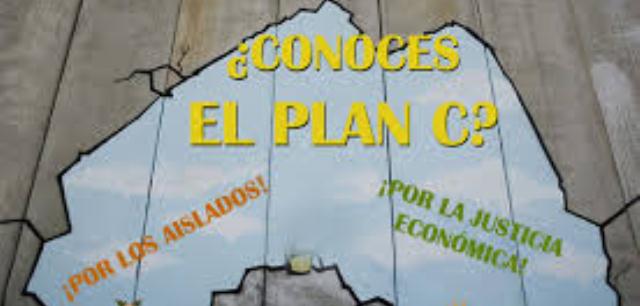
PLAN C: REDISTRIBUCIÓN DE LA RIQUEZA – YASUNÍ E INDÍGENAS AISLADOS
[Centro de Derechos Económicos y Sociales, agosto 2013(1)] Contrarrestar la pobreza en nuestro país no depende de la explotación del Yasuni – ITT, pues ésta es resultado de estructuras injustas de distribución del ingreso, que generan una economía altamente concentrada donde los mayores recursos producidos terminarán enriqueciendo a una élite pequeña de la población, al tiempo que la población mayoritaria verá mejorar sus condiciones de … Continue reading PLAN C: REDISTRIBUCIÓN DE LA RIQUEZA – YASUNÍ E INDÍGENAS AISLADOS

Between Eti Uwem and Green Capitalism (Green Democracy)
[Nnimmo Bassey] Eti uwem is a concept in Ibibio, one of the several languages in Nigeria, which literally means good life or good living. Within it is the idea of living in harmony with nature and all peoples. It incorporates dignity, respect, rectitude, integrity, solidarity and contentment. Within this concept are the key principles of social justice, power relations and citizens’ and communal ownership and control of local resources. It … Continue reading Between Eti Uwem and Green Capitalism (Green Democracy)

Bien communs, sphère publique et « gauche de transformation sociale
[Christophe Aguiton, 2012] La remise en cause de la propriété privée des principaux moyens de production et d’échange a toujours été au cœur de la doctrine des différents courants de la gauche de transformation sociale. La forme que devrait prendre la propriété collective à opposer à la propriété privée a en revanche beaucoup varié avec le temps et l’une d’entre elles – les « biens communs » … Continue reading Bien communs, sphère publique et « gauche de transformation sociale
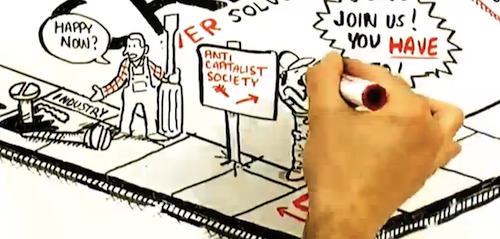
Video: Crises of Capitalism
[David Harvey] In this RSA Animate, celebrated academic David Harvey looks beyond capitalism towards a new social order. Can we find a more responsible, just, and humane economic system? Find out more about the RSA at http://www.thersa.org Continue reading Video: Crises of Capitalism
 Systemic Alternatives
You must be logged in to post a comment.