




Construyendo movimiento por la soberanía alimentaria
[Saioa Polo, http://www.alainet.org ] Vitoria-Gasteiz acogió a finales del mes de abril el “Coloquio Internacional Elikadura 21”, una cita sobre el futuro de la alimentación y los retos de la agricultura para el siglo XXI. Durante tres intensos días, más de 450 personas provenientes de universidades y organizaciones sociales de 52 países, debatimos sobre los problemas globales más acuciantes que enfrentamos en este ámbito, tomando como referencia … Continue reading Construyendo movimiento por la soberanía alimentaria


Ecofeminismo latinoamericano
[Celina A. Lértora Mendoza (FEPAI), viacampesina.org ] El ecofeminismo, que surgió hace unos veinte años de la confluencia de dos corrientes independientes, la deep ecology y el feminismo; se vincula en América Latina sobre todo a corrientes anteriores y ya arraigadas: la filosofía y la teología de la liberación. Ello se debe fundamentalmente a que el feminismo latinoamericano, a su vez, se ha vinculado estrechamente … Continue reading Ecofeminismo latinoamericano

We need rights of nature legislation now to protect our home planet
[Michelle Bender, http://www.theecologist.org ] We need a new paradigm for ocean governance focused on well-being and guided by principles of sustainability, ecosystem health, precaution and interconnectedness, argues MICHELLE BENDER of the US based Earth Law Centre. The first United Nations Ocean Conference brought together governments, stakeholders, businesses, and civil society representatives. The ocean covers over seventy percent of our planet, generates over fifty percent of … Continue reading We need rights of nature legislation now to protect our home planet

Ecofeminismo: La respuesta feminista a los problemas ambientales
[David Alexir Ledesma Feregrino, La Hoja de Arena] ¿Qué es y cómo surgió el ecofeminismo? Y más importante, ¿qué propone? El pensamiento feminista y las preocupaciones ecologistas tuvieron su más grande encuentro en los años setenta, al analizar desde perspectivas confluyentes el problema de la superpoblación mundial. En 1974, la escritora y feminista francesa Françoise d’Eaubonne acuñó por primera vez el término ecofeminismo para referirse … Continue reading Ecofeminismo: La respuesta feminista a los problemas ambientales
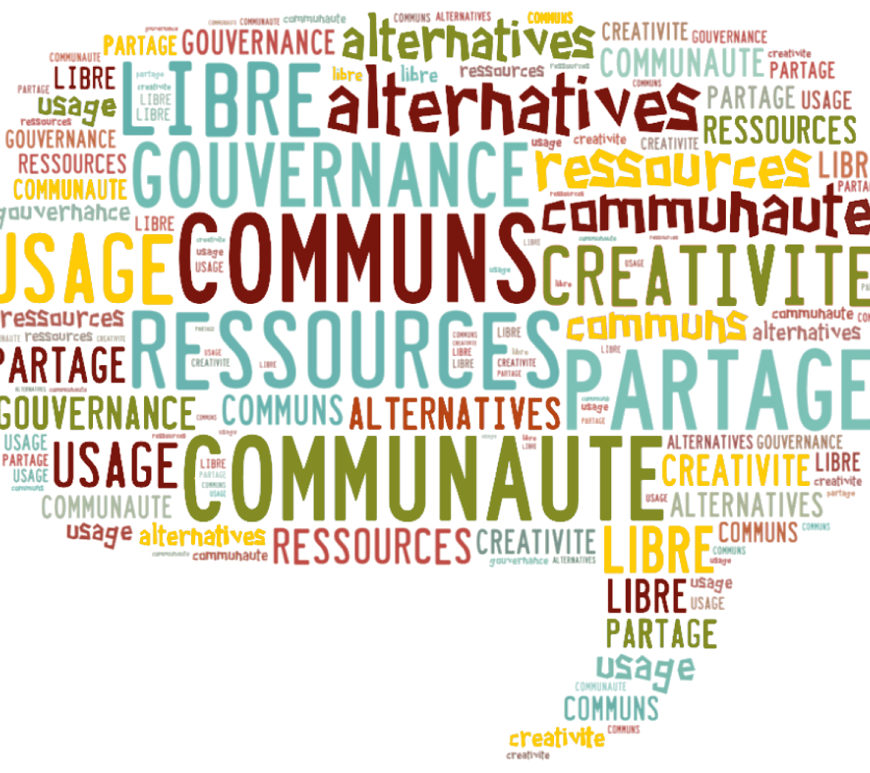
Eclairages sur la notion de biens communs
[LAURENT CORDONNIE, Alternatives Économiques, publicado en 24.04.2012] La notion de biens communs introduite par la mission d’enquête, que l’on retrouve au fondement des opérations de développement, se distingue assez nettement de la notion de biens publics (ou biens collectifs) utilisée par les économistes. Pourtant, que l’on invoque les biens communs ou les biens collectifs, au départ la question est la même. Il s’agit de répondre … Continue reading Eclairages sur la notion de biens communs

Degrowth: the case for a new economic paradigm
[Riccardo Mastini, Lund University, published on Open Democracy on 08.06.2017] Unbridled growth appears to be at odds with social well-being and environmental sustainability. How might we develop a model that reduces the imperative for growth while maintaining economic stability? Traffic in Dhaka: Pollution and congestion are two costly consequences of economic growth. joiseyshowaa/Flickr. Some rights reserved. In the 1970s, the emphasis was on resource limits. … Continue reading Degrowth: the case for a new economic paradigm

Geneviève Azam : «Une université d’été pour débattre et résister»
L’association Attac organise les 4e Universités européennes des mouvements sociaux, cet été à Toulouse. Plus de 1 500 personnes sont attendues pour débattre des grandes luttes sociales. Geneviève Azam, maître de conférences à l’université Toulouse Jean-Jaurès et membre du conseil scientifique d’Attac France, prépare le grand rendez-vous de l’été, avec une centaine d’adhérents toulousains de l’association. Qu’est ce qu’Attac ? C’est une association créée en … Continue reading Geneviève Azam : «Une université d’été pour débattre et résister»


The Most Radical Aspect of Jeremy Corbyn’s Program? Democratizing the Economy
BY MICHAL ROZWORSKI. This story was first published at Jacobin. So much about the 2017 Labour election campaign has been heartening: the energy, the conviction, the full-throated embrace of remaking government in the service of the many. All of the main campaign pledges — from free tuition to thousands of new homes to a stronger National Health Service — will change where money and resources flow … Continue reading The Most Radical Aspect of Jeremy Corbyn’s Program? Democratizing the Economy

Promoting the Commons in the Time of Monsters
Can the Commons and peer-to-peer (P2P) practices really offer viable solutions for our present and future social, political and ecological crises? Spain’s municipal successes remind us who the victor was in the battle between David and Goliath. The Commons is maturing politically, its methods and principles becoming more visible and its participants winning municipal elections in a variety of European cities. How did this happen, … Continue reading Promoting the Commons in the Time of Monsters

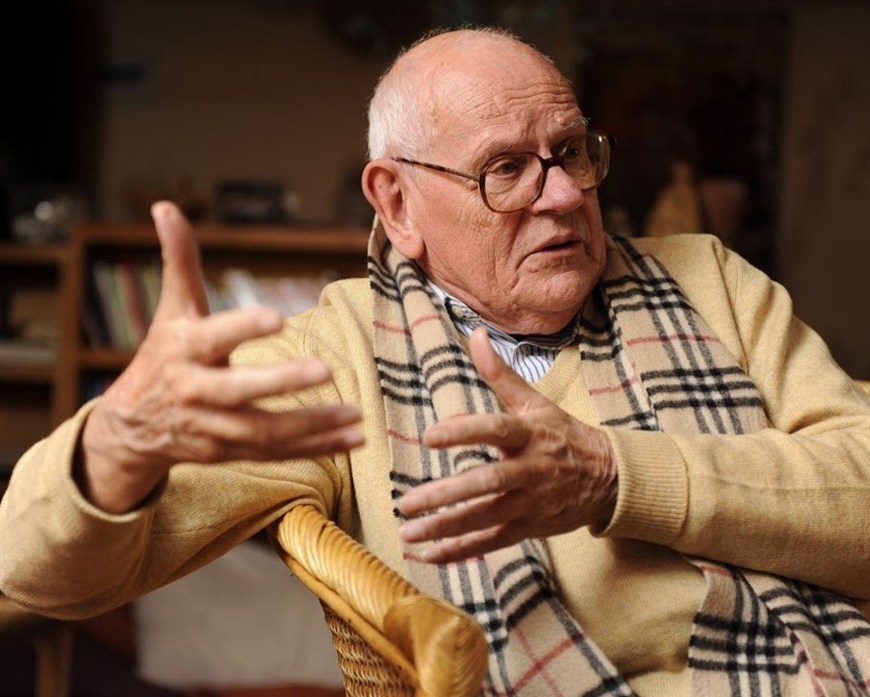
François Houtart: “Tenemos que cambiar este sistema”
François Houtart es un referente de las luchas altermundialistas desde mucho tiempo antes de que a las resistencias populares se las bautizase con este nombre. Este sacerdote belga lleva ya unas cuantas décadas preocupado por el rumbo que está tomando el planeta Tierra, apoyando las iniciativas de aquellos que desde Nicaragua hasta Sri Lanka se resisten a ser engullidos por el sistema capitalista. Con el … Continue reading François Houtart: “Tenemos que cambiar este sistema”

US pull-out from Paris deal: What it means
By Martin Khor By withdrawing the United States from the Paris Agreement, President Donald Trump abdicated not only leadership but membership of the community of nations cooperating to tackle climate change, the most serious crisis facing humanity. Trump’s announcement was shocking, even though it was not unexpected. It was shocking for showing the extreme lengths to which the President would go to deny scientific opinion … Continue reading US pull-out from Paris deal: What it means

Los comunes y el Estado
Es mejor no hablar de “bienes” comunes de la naturaleza sino de elementos que componen el sistema de la Tierra como postula la teoría de los derechos de la Madre Tierra. Somos parte de una comunidad de la Tierra. Esta no puede ser vista con ojos antropocéntricos. No podemos considerar al ser humano como el centro de esta comunidad. Hablar de “bienes” comunes es separar … Continue reading Los comunes y el Estado
Our food is not your business
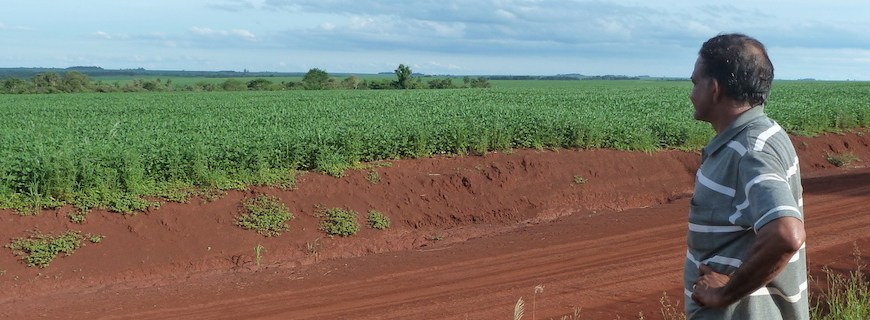
Alternatives to unsustainable livestock and feedstock farming and the current corporate free trade model This briefing paper aims to contribute to the many ongoing efforts, actions, and discussions on alternatives to industrial livestock production, whether local, specific or systemic. It considers how we can strengthen, link and build on existing genuine alternatives, as well as creating new ones, together with social movements, small farmers, small … Continue reading Our food is not your business

Complementarities
By Pablo Solón Complementarity means to complete each other; it is to seek a whole that is diverse; it is a dialogue among those who are different; is to learn from the other and contribute to another; it is to recognize your own strengths and weaknesses in order to transform yourself in the interactions with others. Complementarity is to combine forces to optimize the potential … Continue reading Complementarities

Complementariedades
Por Pablo Solón Complementarse es completarse. Es buscar construir un todo diverso. Es dialogar entre diferentes. Es aprender del otro y contribuir al otro. Es reconocer las fortalezas y debilidades de uno mismo para así integrarse y transformarse en la interacción con el otro. Complementarse es combinar fuerzas y optimizar las potencialidades de cada uno para ir abrazando el todo en sus múltiples dimensiones. La … Continue reading Complementariedades
Deglobalisation
By Pablo Solón Deglobalisation does not promote isolation or autarchy, but rather a different kind of global integration that is not dominated by capital. Deglobalisation is about thinking and building alternative integration models with people and nature at the centre. Globalisation is not a process in which growing interdepen-dence and integration have been made possible thanks to advances in communications and the internet. In this … Continue reading Deglobalisation
Desglobalización
Por Pablo Solón Desglobalizarse no es aislarse ni promover la autarquía, sino impulsar una integración mundial diferente que no esté dominada por el capital. Desglobalizarse es pensar y construir una integración alternativa que tenga en su centro a los pueblos y a la naturaleza. La globalización no es un proceso de creciente interdepen-dencia e integración hecho posible gracias al avance de las comunicaciones y el … Continue reading Desglobalización
The Rights of Mother Earth
By Pablo Solón The rights of Mother Earth are a call to abandon the existing dominant anthropocentric paradigm and to imagine a new Earth society. For anthropocentrism, human beings are at the center of everything and are superior to all other beings and elements that are part of the Earth. Humans are the only ones who possess consciousness, values and morals. Humanity and nature … Continue reading The Rights of Mother Earth

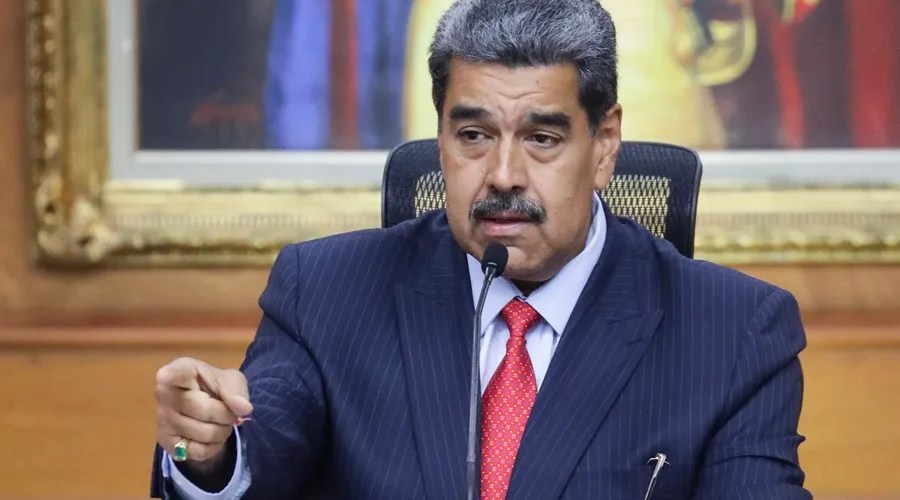
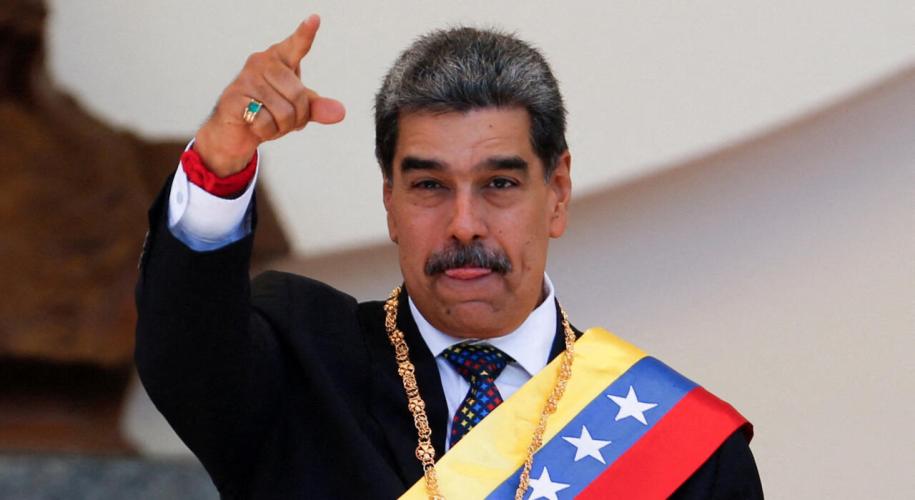
Sociólogo venezolano cuestiona la “solidaridad incondicional” de la izquierda latinoamericana con el chavismo
Edgardo Lander no es sólo un académico, profesor titular de la Universidad Central de Venezuela e investigador asociado del Transnational Institute. Es una persona vinculada desde hace años a los movimientos sociales y a la izquierda en su país. Desde ese lugar, afirma que el apoyo incondicional de las izquierdas de la región al chavismo reforzó las tendencias negativas del proceso. Sostiene que las izquierdas … Continue reading Sociólogo venezolano cuestiona la “solidaridad incondicional” de la izquierda latinoamericana con el chavismo
Derechos de la Madre Tierra
Por Pablo Solón Los derechos de la Madre Tierra son un llamado a abandonar el paradigma antropocéntrico dominante e imaginar una nueva sociedad de la Tierra. Para el antropocentrismo los seres humanos son el centro de todo, son superiores a todos los demás seres y elementos que componen la Tierra. Los seres humanos son los únicos que poseen conciencia, valores y moral. La humanidad y … Continue reading Derechos de la Madre Tierra
 Systemic Alternatives
You must be logged in to post a comment.